Asphalt Pavers: Explore the Latest Features Before Your Next Road Project
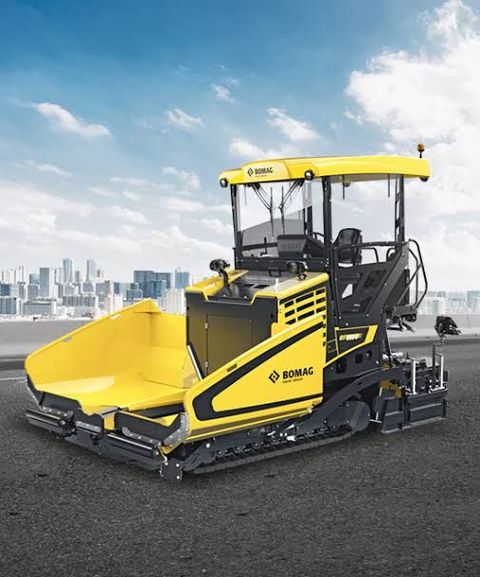
Asphalt pavers are specialized machines used to place and distribute asphalt mixtures across roads, parking areas, airport surfaces, and other paved spaces.
They work after asphalt material has been prepared and transported to the construction area, spreading it into a controlled layer before compaction.
Modern asphalt pavers have developed from relatively simple paving machines into systems with electronic controls, automated material management, improved operator visibility, and precise screed adjustments. These changes are intended to help maintain consistent pavement thickness, surface texture, and alignment during road construction.
How Asphalt Pavers Work
An asphalt paver receives hot-mix or other suitable asphalt material through a receiving hopper. Conveyors move the material toward the rear, where augers distribute it across the paving width.
The screed then spreads and partially compacts the asphalt while establishing the desired width, thickness, and surface profile. A separate roller typically follows the paver to provide additional compaction.
| Component | Main Function |
|---|---|
| Hopper | Receives asphalt material |
| Conveyor | Moves material toward the screed |
| Augers | Distribute material across the paving width |
| Screed | Controls width, thickness, and surface profile |
| Control system | Helps operators monitor and adjust paving parameters |
Importance
Road quality depends on several connected factors, including material consistency, layer thickness, temperature, compaction, drainage, and surface alignment. Asphalt pavers play an important role because they establish the initial pavement layer before final compaction takes place.
Poor material distribution can create variations in thickness or surface texture. Uneven paving may also complicate later compaction and contribute to differences in pavement performance.
Who Uses Asphalt Pavers?
Road construction contractors, municipal transportation departments, airport construction teams, and infrastructure companies commonly use asphalt pavers for projects requiring controlled asphalt placement. Machine selection can vary according to paving width, project size, terrain, material requirements, and available workforce.
Important considerations can include:
- Paving width and adjustable screed range
- Material handling capacity
- Operating speed and production requirements
- Operator visibility and control layout
- Grade and slope control capabilities
- Transport dimensions
- Fuel or power system
- Maintenance access
Recent Updates
Recent developments in asphalt pavers have focused on automation, electronic controls, data monitoring, fuel efficiency, and improved operator environments. These technologies are increasingly integrated into paving equipment used for highways and other large infrastructure projects.
Digital and Automated Controls
Modern machines may use sensors and electronic control systems to monitor material flow, paving parameters, screed position, and machine movement. Automated grade and slope controls can help maintain programmed pavement profiles when properly configured.
Some systems also support data collection during paving. Recorded information can help project teams review machine operation, production patterns, and paving consistency.
Improved Material Management
Material management has also received attention. Conveyor and auger systems are designed to maintain a more consistent flow of asphalt toward the screed, reducing interruptions caused by uneven material distribution.
Machine manufacturers have also introduced improvements related to fuel consumption, engine management, noise reduction, and operator ergonomics. The exact features vary substantially between machine models and configurations.
Tools and Resources
Several resources can help readers understand asphalt pavers and pavement construction. Equipment specifications are useful for comparing paving width, screed configurations, hopper capacity, operating dimensions, and control technologies.
Useful Planning Resources
Common resources include:
- Asphalt quantity calculators for estimating material requirements
- Pavement thickness references for preliminary planning
- Equipment specification sheets for technical comparisons
- Road construction planning templates
- Pavement management software for project data
- Transportation agency manuals and technical publications
These resources provide general information, while actual pavement design and construction requirements depend on local regulations, engineering specifications, site conditions, and material standards.
FAQs
What are asphalt pavers used for?
Asphalt pavers are used to place and distribute asphalt mixtures into controlled layers for roads, parking areas, airport surfaces, and similar paved applications.
How do asphalt pavers control pavement thickness?
The screed controls the thickness and profile of the asphalt layer. Electronic grade and slope systems can also use sensors and programmed parameters to help maintain the required profile.
What features should be considered when comparing asphalt pavers?
Important features include paving width, screed configuration, material capacity, control systems, operating dimensions, visibility, power system, and maintenance access.
Are modern asphalt pavers automated?
Many modern asphalt pavers include electronic controls and optional automation technologies. The level of automation depends on the machine configuration and project requirements.
What is the difference between an asphalt paver and a road roller?
An asphalt paver places and initially shapes the asphalt layer, while a road roller applies additional compaction after the material has been placed.
Conclusion
Asphalt pavers form an important part of modern road construction because they distribute asphalt and establish the initial pavement profile. Current equipment increasingly incorporates electronic controls, material management systems, sensors, and operator-focused features. Understanding these technologies can help readers interpret equipment specifications and their role in paving operations. Actual equipment selection depends on project requirements, site conditions, applicable standards, and machine configuration.

Related Post...
Asphalt Pavers: Explore the Latest Features Before Your Next Road Project
Updated: September 26, 2026
Read More
Concrete Batching Plants: Discover Critical Details Before You Choose
Updated: September 26, 2026
Read More
Tunnel Boring Machines: Insights Into Powerful Systems Shaping Tunneling Today
Updated: September 26, 2026
Read More