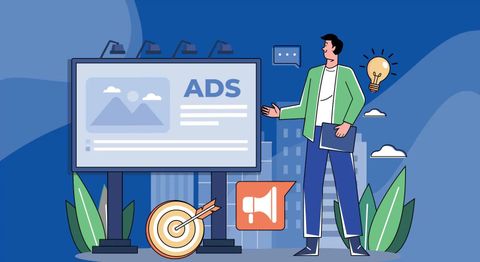
Digital billboards are large LED or LCD screens that display static or video ads in high-traffic locations such as highways, city centers, airports, and shopping districts. Unlike traditional print billboards, digital ones can rotate multiple advertisements in one location and offer more flexible scheduling and targeting options.
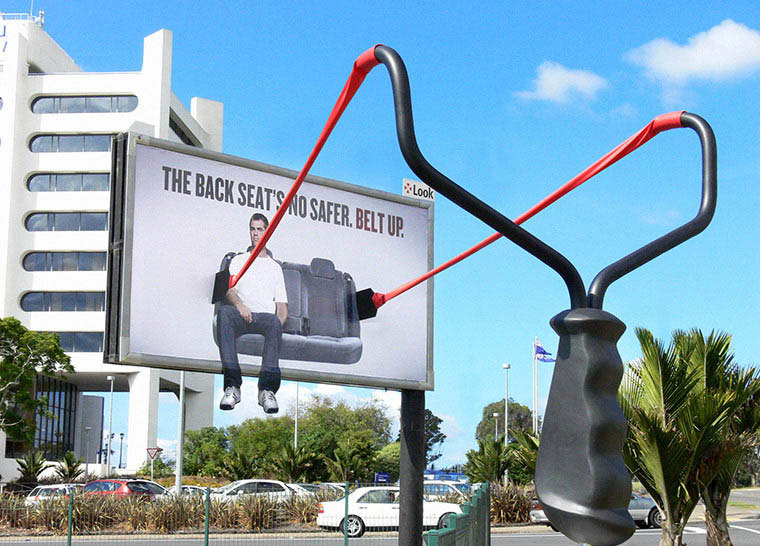
As more brands compete for attention in a crowded digital world, combining physical and digital strategies is proving more effective—bringing digital billboards into focus for marketers, local businesses, event promoters, and even government agencies.
Why Digital Billboards Matter Today
Digital billboards play a crucial role in modern advertising strategies. Here’s why they’ve become more significant:
1. High Visibility and Brand Awareness
-
Strategically placed in high-traffic areas
-
24/7 visibility in all weather conditions
-
Eye-catching animations increase engagement
2. Flexible and Real-Time Messaging
-
Advertisers can change messages instantly
-
Ideal for time-sensitive campaigns (events, sales, emergencies)
3. Data-Driven Targeting
-
Some billboards use geolocation, weather-triggered ads, or traffic data to optimize campaigns
4. Cost-Efficiency Compared to Traditional Media
-
Sharing screen time with multiple advertisers reduces costs
-
Digital ad slots can be rented for short durations (hourly/daily)
Who Benefits the Most?
-
Local businesses promoting nearby stores or services
-
Event organizers wanting short-term exposure
-
National brands looking to build consistency across regions
-
Real estate companies showcasing properties
-
Tourism boards attracting travelers in urban areas
Recent Trends and Innovations in Outdoor Digital Advertising
Over the last year, the digital billboard landscape has seen several innovations:
| Trend | Description |
|---|---|
| Programmatic DOOH Advertising | Automated buying and placement of ads in real time via online platforms |
| Dynamic Creative Optimization | Ad content changes based on audience data (e.g., weather, time, traffic) |
| 3D Digital Billboards | Hyper-realistic 3D visuals increasing in major cities like NYC and Tokyo |
| Sustainable Technology | Solar-powered screens and energy-efficient LED panels gaining popularity |
| Integration with Mobile Ads | Syncing billboard views with mobile device retargeting for deeper reach |
For example, in 2024, Times Square introduced AI-enhanced 3D billboards that detect pedestrian density to alter ad formats for maximum effectiveness. Also, brands like Nike and Coca-Cola experimented with QR codes on digital displays, encouraging real-time interaction.
Laws, Guidelines, and Digital Billboard Regulations
Regulations for digital billboards vary depending on the country or region. Most aim to balance effective advertising with road safety and environmental standards.
Key Regulatory Highlights:
| Regulation Area | Common Requirements |
|---|---|
| Brightness Control | Maximum brightness limits to avoid driver distraction (measured in nits) |
| Ad Rotation Timing | Most areas mandate a 6–10 second delay between image changes |
| Permit Requirements | Legal permissions required before installing billboards on public/private property |
| Zoning Laws | Restrictions near schools, hospitals, or residential zones |
| Content Restrictions | Ads must comply with decency and non-misleading policies (e.g., Google Ads rules) |
In the U.S., the Federal Highway Administration (FHWA) works with states under the Highway Beautification Act, while in countries like India or the UK, local municipal bodies manage outdoor advertising rules.
Tip: Always consult your local Urban Development Department or Municipal Corporation before installing or renting billboard space.
Tools, Platforms, and Resources to Plan Digital Billboard Campaigns
If you’re considering digital billboard advertising, several tools and services can simplify the process:
Online Booking and Analytics Platforms
-
Blip Billboards – Self-serve platform for short-term billboard campaigns (U.S. only)
-
AdQuick – Nationwide inventory access and performance analytics
-
Vistar Media – Programmatic DOOH ad management
-
OneScreen.ai – Search, plan, and measure digital and static OOH campaigns
Planning and Design Resources
-
Canva – Templates to design visually optimized billboard ads
-
Google Trends – Understand location-based search behavior before creating ad copy
-
SmartSign – For testing digital sign compliance and brightness levels
Calculators and Budgeting Tools
-
OOH Media Cost Calculators – Estimate campaign costs based on screen time and geography
-
Reach and Impressions Estimators – Provided by vendors like Clear Channel and Lamar
Frequently Asked Questions
Q1: How much does a digital billboard ad campaign cost?
Costs vary based on location, duration, and traffic volume. In the U.S., campaigns can start as low as $10 per day using platforms like Blip, but high-traffic metro areas can cost $2,000–$15,000 per month.
Q2: Are digital billboards better than traditional ones?
Yes, in many cases. Digital billboards offer flexibility, real-time updates, and higher engagement, though they can be more expensive and require careful timing and design.
Q3: Can small businesses use digital billboards affordably?
Absolutely. Platforms like Blip or AdQuick allow businesses to run ads for just a few hours per day, offering a cost-effective solution with no long-term commitment.
Q4: Is it possible to target specific audiences with digital billboards?
While you can’t target as precisely as online ads, geographic targeting (placing billboards in specific areas) and data-triggered ads (weather, time, traffic) allow for semi-custom targeting.
Q5: Are there legal risks involved with billboard advertising?
Yes. Running ads without permits, violating content rules, or ignoring zoning laws can lead to fines or removal orders. Always verify with local authorities before launching a campaign.
Final Thoughts
Digital billboards are reshaping how brands communicate in public spaces. As the technology becomes more accessible, businesses of all sizes can leverage it to enhance visibility and build stronger connections with local or traveling audiences. However, success depends on understanding the medium, following regulations, and using the right tools for planning and execution.
Whether you're a marketing professional, small business owner, or part of a large brand team, digital billboards offer a modern, flexible, and high-impact way to share your message with the world—one screen at a time.