Construction Earthmoving Equipment Explained: Types, Uses, Practical Knowledge, and Insights
Construction earthmoving equipment refers to heavy machinery designed to dig, move, grade, level, and transport large volumes of soil, rock, and debris. These machines exist because manual labor alone cannot efficiently handle the scale, speed, and precision required in modern construction and infrastructure development.
Earthmoving equipment plays a foundational role at the earliest stages of construction projects. Before buildings, roads, bridges, pipelines, or industrial facilities can be developed, the land must be prepared. This preparation includes clearing vegetation, excavating soil, leveling uneven ground, and creating stable foundations. Earthmoving machines make these tasks predictable, measurable, and repeatable.
Commonly used across construction, mining, agriculture, and infrastructure sectors, earthmoving equipment has evolved alongside engineering standards and safety requirements. Today, machines integrate mechanical power, hydraulic systems, and digital controls to handle complex terrain and heavy workloads.
Importance: Why Earthmoving Equipment Matters Today
Earthmoving equipment remains critical due to rapid urbanization, transportation expansion, and large-scale infrastructure projects worldwide. As cities grow and climate-resilient infrastructure becomes a priority, precise land preparation is essential.
These machines matter because they:
- Enable large infrastructure development such as highways, rail corridors, dams, and airports
- Reduce project timelines by handling high-volume material movement efficiently
- Improve safety by minimizing manual excavation risks
- Support accuracy in grading and leveling, which affects long-term structural stability
Industries and professionals affected include civil engineers, project planners, infrastructure authorities, environmental specialists, and equipment operators. Without earthmoving equipment, projects would face delays, inconsistent quality, and higher physical risk.
In regions experiencing population growth and industrial expansion, earthmoving equipment supports sustainable development by enabling controlled land modification rather than uncontrolled excavation.
Types of Construction Earthmoving Equipment and Their Uses
Different machines are designed for specific terrain, material types, and project stages. Below is a structured overview.
| Equipment Type | Primary Function | Typical Applications |
|---|---|---|
| Excavator | Digging, trenching, lifting | Foundations, pipelines, demolition |
| Bulldozer | Pushing and clearing material | Land clearing, rough grading |
| Wheel Loader | Loading and transporting material | Aggregates, soil, debris handling |
| Backhoe Loader | Digging and loading | Utility work, urban construction |
| Motor Grader | Fine grading and leveling | Road construction, surface finishing |
| Scraper | Excavating and hauling soil | Large earthmoving projects |
Excavators are versatile machines equipped with a boom, arm, and bucket. They handle deep digging tasks and precise material placement.
Bulldozers use wide blades to push large quantities of soil or rubble, making them effective for clearing land and shaping terrain.
Wheel loaders focus on material movement rather than digging. Their large front buckets allow efficient loading of trucks and stockpiles.
Backhoe loaders combine excavation and loading capabilities, making them suitable for confined or multi-purpose sites.
Motor graders are essential for achieving smooth, level surfaces, particularly in road and pavement preparation.
Scrapers are used on expansive sites where soil needs to be excavated and transported over medium distances efficiently.
Recent Updates: Trends and Developments in the Past Year
Over the past year, earthmoving equipment has seen notable advancements focused on efficiency, environmental performance, and digital integration.
2025 Developments
- Advanced machine control systems using GPS and 3D modeling improve grading accuracy and reduce rework.
- Electric and hybrid machines have been tested in urban environments, offering lower emissions and reduced noise levels.
- Automation features such as slope control, automated digging cycles, and collision detection improve safety and consistency.
Digital Transformation Trends
- Telematics systems provide real-time insights into fuel usage, idle time, and maintenance indicators.
- Data-driven fleet monitoring supports more efficient planning and cost control.
These updates reflect a shift toward smarter, cleaner, and more efficient construction practices.
Laws and Policies Affecting Earthmoving Equipment
Earthmoving equipment operation is closely tied to regulatory frameworks that govern safety, emissions, and land use. In India, regulations align with broader construction and environmental standards.
Key regulatory influences include:
- Emission standards such as Bharat Stage norms, defining permissible exhaust levels for diesel-powered machinery
- Occupational safety guidelines under national labor and construction safety frameworks
- Environmental clearance rules regulating excavation depth, soil disposal, and land restoration
- Infrastructure development programs specifying technical standards for public works
Government initiatives for smart cities, highways, and renewable energy infrastructure also influence equipment design and usage. Compliance ensures safe operation and environmental responsibility.
Tools and Resources for Understanding and Managing Earthmoving Equipment
Several digital and educational resources support informed use and planning related to earthmoving equipment.
Helpful tools include:
- Equipment productivity calculators for estimating earth volume movement
- Telematics dashboards for monitoring machine performance
- Digital terrain modeling software used in civil engineering design
- Operator training simulators for skill development
- Technical manuals and standards from engineering authorities
Online platforms from government and engineering institutions also provide updated safety guidelines and best practices.
Practical Knowledge: Key Factors Influencing Equipment Selection
Choosing the right earthmoving equipment depends on multiple technical and environmental factors.
Important considerations include:
- Soil type such as clay, sand, rock, or mixed material
- Project scale and duration
- Site accessibility and space constraints
- Required precision in grading or excavation
- Environmental sensitivity of the surrounding area
For example, compact machines may be preferred in urban settings with limited space, while large-scale infrastructure projects benefit from high-capacity equipment designed for continuous operation.
Proper planning ensures efficient workflows and minimizes unnecessary ground disturbance.
Frequently Asked Questions
What is the difference between earthmoving and material handling equipment?
Earthmoving equipment focuses on digging, grading, and reshaping land, while material handling equipment primarily moves materials without altering the ground structure.
Are earthmoving machines used only in construction?
No. They are also used in mining, agriculture, forestry, and disaster response for land clearing and debris removal.
How does technology improve earthmoving accuracy?
GPS-based control systems and sensors guide machine movements, helping achieve precise excavation and grading aligned with digital site plans.
Why is grading important before construction begins?
Proper grading ensures stable foundations, effective drainage, and long-term durability of structures and roads.
Do environmental regulations affect machine design?
Yes. Emission limits, noise controls, and efficiency requirements influence engine technology, fuel systems, and overall machine architecture.
Conclusion
Construction earthmoving equipment forms the backbone of modern infrastructure and development projects. By enabling efficient land preparation, these machines make complex construction activities feasible, safer, and more predictable.
Continuous advancements in digital control, environmental performance, and automation reflect the evolving demands of urban growth and sustainable development. Understanding the types, applications, regulations, and practical considerations surrounding earthmoving equipment helps stakeholders make informed decisions and supports responsible land transformation.

Related Post...

Ionizer Equipment Overview: Explore Key Facts, Insights, and Helpful Resources
Updated: September 24, 2026
Read More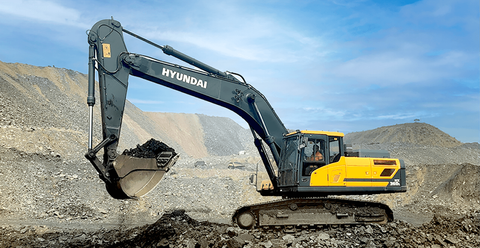
Construction Earthmoving Equipment Explained: Types, Uses, Practical Knowledge, and Insights
Updated: September 26, 2026
Read More
Exploring Opportunities in Vietman's Electronics Manugacturing Sector
Updated: September 26, 2026
Read More