Magnetic Wire Connectors Explained: Discover Key Facts, Basics, and Essential Insights
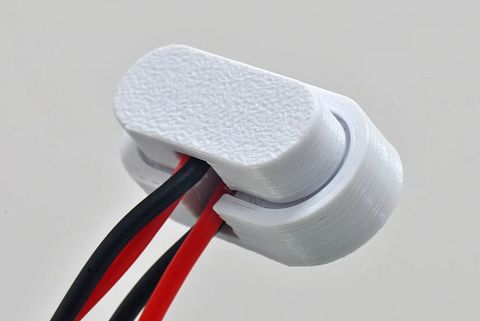
Magnetic wire connectors are electrical connection components that use magnets to create secure, reliable, and repeatable contact between conductive wires. They emerged as an alternative to traditional mechanical connectors such as twist-on caps, crimp terminals, and screw-based connectors. Their purpose is to simplify wire joining, reduce installation errors, and improve consistency in low-voltage and certain modular electrical systems.
These connectors rely on magnetic force to pull conductive surfaces together, forming a stable electrical pathway. This design aims to support environments where quick assembly, modularity, and safer handling are priorities. Over time, their use has expanded from simple consumer electronics experiments to structured applications like prototyping environments, educational labs, smart-device systems, and rapid-deployment wiring setups.
Magnetic wire connectors exist because electrical systems increasingly demand flexibility. As modular designs grow in popularity—especially in lighting systems, low-voltage circuits, and plug-and-play components—magnetic solutions serve a need for intuitive and repeatable connections without specialized tools. The concept aligns with global trends toward safer electrical configurations and error-resistant wiring methods.
Why Magnetic Wire Connectors Matter Today
Magnetic wire connectors are gaining attention due to several ongoing changes in technology, home systems, and low-voltage infrastructure. Their importance can be observed across different groups:
For technicians and learners
They simplify demonstration work, classroom activities, and testing environments where wires may need to be rearranged frequently. The connectors minimize the risk of loose strands, incomplete tightening, or uneven pressure—common issues with mechanical connectors.
For product designers and prototyping teams
Magnetic connectors support rapid iterations. Instead of repeatedly stripping and rejoining wires, teams can attach and detach connections in seconds, helping maintain component integrity and reducing small-scale wiring fatigue.
For modular and smart-home setups
Low-voltage lighting, LED systems, and sensor-based circuits often benefit from connectors that reduce wiring complexity. Magnetic designs help users avoid misalignment and ensure consistent polarity where applicable.
For safety-conscious environments
Because magnets guide wires into position, the risk of partial contact or accidental bridging may be reduced in controlled low-voltage conditions. When used properly, they encourage cleaner and more organized wiring layouts.
Magnetic wire connectors matter because they help solve recurring problems such as unstable joints, connector over-tightening or under-tightening, repetitive strain on wire ends, and slow setups. As more electrical systems move toward modular and user-friendly architectures, magnetic solutions fit naturally within that trend.
Recent Updates and Developments
Several developments in the past year highlight how magnetic wire connectors are being improved and adapted for modern applications. These updates reflect both technological progress and expanded interest across industries.
Growing use in low-voltage smart lighting (2024–2025)
Between mid-2024 and early 2025, manufacturers and research groups have explored magnetic connectors for LED strips, cabinet lighting, and low-voltage task lighting. The focus has been on improving stability under vibration and repeated disconnection.
Improved magnetic alloys and plating methods (2024)
In late 2024, updated alloy combinations for magnetic contacts were introduced in various technical papers. These materials aim to increase corrosion resistance and maintain conductivity under long-term use, particularly in indoor-humidity environments.
Interest from educational technology initiatives (2025)
Several STEM education programs in 2025 began adopting magnetic connectors for safe learning kits. These include simplified circuit boards that help students understand conductive paths, voltage concepts, and modular wiring layouts.
Development of polarity-safe magnetic systems (2024–2025)
To prevent incorrect orientation, new magnetic connector designs started using keyed magnetic arrangements and shape-guided housings. These updates ensure connections are made correctly even by beginners.
Testing standards discussions (early 2025)
Industry groups have begun informal discussions about creating uniform testing procedures for magnetic connectors, including durability, heat generation, and pressure-force performance. While not standardized yet, this shows growing interest in quality consistency.
These developments indicate that magnetic wire connectors are moving from niche use to broader acceptance in structured low-voltage systems and educational or modular environments.
Regulations, Rules, and Policy Factors
Magnetic wire connectors operate under the same general principles that guide electrical safety components. While regulations differ by country, several common themes apply:
Electrical safety standards
In many regions, low-voltage connectors fall under general electrical standards such as design guidelines for conductor materials, insulation quality, and contact-resistance thresholds. They are expected to align with standards similar to those used for terminal blocks, low-voltage connectors, and modular wiring components.
Material and testing guidelines
Most countries require compliance with recognized electrical testing programs. These often include endurance testing, heat-rise evaluation, and secure-contact verification. Magnetic connectors may need to demonstrate reliability comparable to standard connectors used in similar voltage ranges.
Usage limitations
Policies often place restrictions on where non-mechanical connectors can be used, particularly in high-voltage or high-current installations. Many electrical codes limit magnetic connectors to controlled low-voltage environments unless they pass specialized certification.
Environmental and recycling requirements
With more attention placed on electronic waste, some regions expect connectors to follow material-recycling guidelines, labeling rules, and guidelines for safe magnet disposal. Rare-earth magnets may be subject to sourcing and sustainability considerations.
Building and wiring rules
Local wiring regulations may describe acceptable connector types for permanent installations. Magnetic connectors, when not explicitly approved for building-integrated circuits, may be recommended for temporary setups, prototyping, or plug-and-play modules.
While the specifics vary, the overarching principle remains consistent: magnetic wire connectors must fit within existing electrical safety frameworks and follow material, testing, and usage guidelines that ensure stable and predictable performance.
Tools, Resources, and Helpful References
Understanding and working with magnetic wire connectors can be easier when supported by reliable educational resources and practical tools. The following options help learners, professionals, and hobbyists explore the topic more effectively:
Digital tools and references
-
Online wiring simulators that allow users to practice circuit layouts and visualize connections without real hardware.
-
Interactive electrical-design platforms for planning low-voltage systems and checking circuit pathways.
-
Technical reference websites that explain conductor properties, insulation categories, and contact-resistance values.
Measurement and testing tools
-
Voltage testers and digital multimeters for checking contact stability.
-
Wire gauge measurement tools for verifying appropriate thickness.
-
Small-scale continuity testers for confirming correct magnetic contact alignment.
Educational and guidance resources
-
Basic wiring diagrams that demonstrate low-voltage circuit layouts.
-
Safety checklists for ensuring wires are stripped evenly and correctly positioned.
-
Guides explaining conductor materials, including copper, tinned copper, and alloy-based wires.
Table: Example Characteristics to Compare in Magnetic Wire Connectors
| Characteristic | Description |
|---|---|
| Contact Type | Surface contact using magnetically aligned terminals |
| Typical Use | Low-voltage modular circuits, prototypes, learning kits |
| Strength Factor | Determined by magnetic pull force and housing design |
| Reconnection Cycles | Often designed for repeated assembly and testing |
| Wire Compatibility | Depends on conductor gauge and connector rating |
These resources help users understand how magnetic wire connectors function, how to test them, and how to use them in safe, structured applications.
Frequently Asked Questions
What are magnetic wire connectors typically used for?
They are commonly used in low-voltage systems, modular circuit layouts, educational kits, and prototype environments where repeated wiring changes occur. Their design supports fast assembly and reduces manual tightening errors.
Do magnetic wire connectors work in all electrical systems?
They are generally intended for low-voltage applications. Most higher-voltage or permanent installations require certified mechanical connectors according to regional electrical rules. Always refer to local electrical guidelines before selecting any wiring component.
Are magnetic connectors safer than traditional connectors?
They can improve connection consistency in low-voltage environments by reducing partial contact or misalignment. However, safety depends on proper usage, correct voltage range, and compliance with relevant electrical standards.
Can magnetic wire connectors handle vibration?
Modern versions are being designed to resist moderate vibration, especially newer models developed in 2024–2025. For environments with strong or continuous vibrations, mechanical connectors may still be recommended unless magnetic models are specifically rated for that purpose.
How long do magnetic wire connectors last?
Durability varies based on materials, magnetic strength, environmental exposure, and usage frequency. Many are designed for frequent reconnection cycles, making them suitable for testing and modular setups.
Conclusion
Magnetic wire connectors represent a growing category of electrical connection tools designed for convenience, modularity, and repeatable performance. They help support clear wiring layouts, safer handling in low-voltage systems, and efficient prototyping environments. As technology continues to shift toward modular and easy-to-configure electrical components, magnetic connectors are becoming increasingly relevant.
Recent advancements in materials, polarity-safe designs, and educational adoption indicate a positive direction for their future use. At the same time, they remain subject to electrical safety standards and regulatory considerations, ensuring they function reliably in appropriate applications.

You may also like...
Magnetic Wire Connectors Explained: Discover Key Facts, Basics, and Essential Insights
Last Update: December 27, 2025
Read
Ionizer Equipment Overview: Explore Key Facts, Insights, and Helpful Resources
Last Update: December 27, 2025
Read
Cosmetic Manufacturing Guide: Learn Essential Processes, Formulation Tips, and Quality Standards
Last Update: December 27, 2025
Read