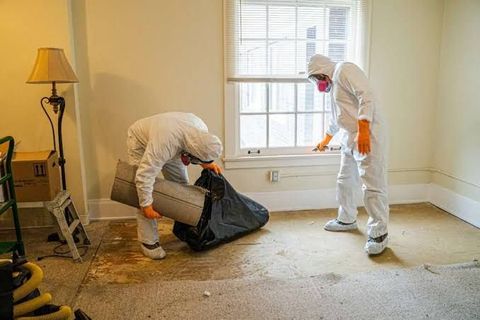
Water Damage Restoration for Faster Property Recovery
Water damage can affect properties in several unexpected ways.
Water Damage Restoration
From leaking pipes and overflowing appliances to heavy rainfall and flooding, moisture can damage floors, walls, furniture, and electrical systems. Water damage restoration services help property owners address these problems through inspection, water removal, drying, cleaning, and necessary repairs.
Choosing professional water damage restoration can be important when moisture spreads beyond visible surfaces. A structured restoration process helps identify affected areas and determine which materials require cleaning or replacement. Understanding the process, costs, and available services can help property owners make informed decisions during recovery.
What Is Water Damage Restoration?
Water damage restoration is the process of returning a property to a safe and usable condition after unwanted water exposure. It generally involves identifying the source of water, assessing damage, removing standing water, drying affected materials, and repairing damaged areas.
The process varies depending on the amount of water, the duration of exposure, and the materials involved. Minor leaks may require limited repairs, while extensive flooding can involve multiple rooms and structural components.
Common Causes of Property Water Damage
Water damage can develop from several sources, including:
Plumbing leaks: Damaged pipes, loose connections, and faulty fixtures can release water inside buildings.
Appliance failures: Washing machines, dishwashers, and water heaters may leak or overflow.
Roof damage: Broken tiles, damaged flashing, and blocked drainage systems can allow rainwater inside.
Flooding: Heavy rainfall and overflowing water bodies can introduce large amounts of water.
Drainage problems: Blocked drains and sewer backups can cause contaminated water to enter properties.
Identifying the original source is essential because restoration work may not remain effective if water continues entering the property.
Importance of Fast Water Damage Restoration
Time plays an important role in property recovery after water exposure. Moisture can spread through porous materials, including carpets, insulation, wooden flooring, and drywall. Extended dampness may also create conditions that encourage mold growth.
Arranging a timely water damage inspection helps determine the extent of the problem. Early action can make it easier to identify hidden moisture, protect unaffected areas, and plan appropriate repairs.
Risks of Delayed Restoration
Delaying water damage cleanup services can create additional problems beyond visible stains or wet flooring. Potential concerns include:
Structural deterioration: Prolonged moisture can weaken certain building materials.
Mold development: Damp environments may encourage mold growth on suitable surfaces.
Electrical hazards: Water near wiring, outlets, and electrical equipment can create serious safety risks.
Material damage: Furniture, carpets, insulation, and personal belongings may become difficult to restore.
Unpleasant odors: Persistent moisture can contribute to musty smells inside enclosed spaces.
The extent of these problems depends on the water source, exposure period, building materials, and environmental conditions.
Why Professional Assessment Matters
A professional inspection can help identify damage that may not be visible during an ordinary walkthrough. Restoration specialists may use moisture meters, thermal imaging equipment, and other assessment tools to locate damp areas.
They can also help determine whether materials can be dried and cleaned or need replacement. This assessment supports a more organized restoration plan and reduces the likelihood of overlooking affected spaces.
Steps Involved in Professional Water Damage Restoration
Professional restoration generally follows several stages. The exact process depends on the property's condition and the type of water involved.
Inspection and Damage Assessment
The first stage involves identifying the water source, affected rooms, and damaged materials. Professionals also assess potential safety concerns and determine whether the water may contain contaminants.
Water Extraction and Removal
Standing water is removed using suitable pumps, wet vacuums, or extraction equipment. Removing excess water helps prepare affected areas for the drying process.
Drying and Dehumidification
Air movers and dehumidifiers may be used to reduce moisture in floors, walls, and other building materials. Moisture levels are monitored to assess drying progress.
Cleaning and Sanitization
Affected surfaces and salvageable belongings may require appropriate cleaning. When contaminated water is involved, specialized cleaning and disinfection procedures may be necessary.
Repairs and Restoration
The final stage involves repairing or replacing damaged materials. Depending on the extent of the damage, this may include flooring, drywall, insulation, paint, cabinets, or other property components.
Comparing Water Damage Restoration Services
Different restoration services address different stages of property recovery. Understanding their purposes can help property owners compare estimates and identify the work included in a proposed restoration plan.
| Restoration service | Main purpose | Typical work involved |
|---|---|---|
| Water extraction | Remove standing water | Pumping and vacuum extraction |
| Structural drying | Reduce remaining moisture | Air movers and dehumidifiers |
| Moisture inspection | Identify affected areas | Moisture measurement |
| Cleaning and sanitization | Address dirt and contamination | Surface cleaning and disinfection |
| Property repairs | Restore damaged materials | Flooring and drywall replacement |
Not every property requires all these services. The restoration plan should reflect the actual damage identified during inspection.
Water Damage Restoration Cost and Service Selection
Water damage restoration cost depends on several factors, including the affected area, water category, damage severity, building materials, and equipment required. Small leaks may involve limited drying and repairs, while extensive flooding can require more complicated restoration work.
Factors That Affect Restoration Costs
Important cost considerations include:
Damage extent: Larger affected areas generally require more labor and equipment.
Water contamination: Contaminated water may require additional protective measures and specialized cleaning.
Material replacement: Damaged flooring, insulation, and drywall can increase repair expenses.
Drying requirements: Extended drying periods may involve additional equipment and monitoring.
Additional repairs: Electrical, plumbing, or structural work may require separate professionals.
Property owners should request a detailed water damage restoration estimate that explains labor, equipment, cleaning, replacement materials, and other expected expenses.
Choosing a Water Damage Repair Company
Before selecting a water damage repair company, consider its qualifications, experience, service details, and restoration procedures. Ask whether the company provides written estimates and explains the expected timeline.
It is also useful to understand how the provider handles moisture monitoring, contaminated materials, and follow-up inspections. Insurance coverage should be reviewed separately because policy terms and exclusions vary.
Safety Considerations During Property Recovery
Water damage can create hazards that are not immediately obvious. Property owners should avoid entering areas with standing water when electrical equipment or damaged wiring may be present.
If water has reached electrical outlets, appliances, or distribution panels, a qualified electrician should assess the situation before the affected area is used again. People should also avoid direct contact with potentially contaminated water.
Professional assessment is particularly important when flooding involves sewage, unknown contaminants, or extensive structural damage.
Frequently Asked Questions
How Quickly Should Water Damage Restoration Begin?
Assessment and appropriate water removal should begin as soon as it is safe. Prompt attention helps limit prolonged moisture exposure and supports better restoration planning.
How Much Do Water Damage Restoration Services Cost?
Costs vary according to damage severity, affected materials, labor, equipment, and cleaning requirements. A property inspection and detailed estimate provide a more realistic cost assessment.
Can Water-Damaged Flooring and Walls Be Repaired?
Some materials can be dried and restored, while others may require replacement. The decision depends on material type, contamination, moisture exposure, and structural condition.
Should I Hire Professional Water Damage Restoration Contractors?
Professional contractors can help assess hidden moisture, manage drying equipment, and coordinate necessary repairs. Their involvement is particularly useful for extensive damage or contaminated water.
Does Home Insurance Cover Water Damage Restoration?
Coverage depends on the insurance policy and the cause of damage. Property owners should review their policy and contact their insurance provider to understand applicable coverage and exclusions.
Conclusion
Water damage restoration involves several important steps, including inspection, water removal, drying, cleaning, and property repairs. Understanding these stages helps property owners evaluate available services, compare costs, and plan recovery work.

Related Post...