Road Milling Machines: Tips to Avoid Costly Roadwork Delays
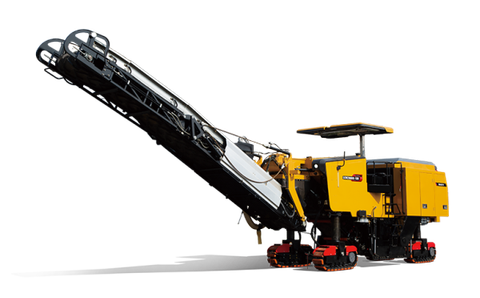
Road milling machines are specialized construction machines used to remove worn, damaged, or uneven layers from paved roads.
They use a rotating cutting drum fitted with cutting tools to gradually remove asphalt or other pavement materials while preparing the surface for the next stage of roadwork.
The basic purpose of road milling is to create a controlled and relatively even surface without removing the entire road structure. Depending on the project, milling may involve removing a thin surface layer or cutting deeper sections where pavement damage extends further below the surface.
Roadwork delays can occur when milling operations are poorly planned, equipment settings are unsuitable, or removed material is not handled efficiently. Understanding the main factors affecting milling operations can help explain why preparation, machine selection, and site coordination are important.
How Road Milling Works
During operation, the milling drum rotates against the pavement and removes material as the machine moves forward. The removed material is generally collected by a conveyor and transferred into a truck or another designated location.
Operators can adjust milling depth, travel speed, and other machine settings according to pavement conditions. Proper adjustment helps maintain a consistent surface and reduces unnecessary interruptions during roadwork.
| Milling Factor | Main Consideration | Potential Delay |
|---|---|---|
| Cutting depth | Pavement condition | Uneven removal |
| Travel speed | Material and surface conditions | Lower productivity |
| Cutting tools | Wear and condition | Frequent interruptions |
| Conveyor system | Material transfer | Material buildup |
| Site preparation | Traffic and access | Waiting periods |
Importance
Road milling machines play an important role in pavement rehabilitation because roads experience repeated traffic loads, weather exposure, water penetration, and surface deterioration. Removing unsuitable pavement layers can prepare the road for resurfacing or other reconstruction activities.
Delays affect several groups involved in road construction. Road users may experience longer traffic restrictions, while project teams may need additional coordination when milling takes longer than expected.
Common Causes of Roadwork Delays
Several practical issues can interrupt milling operations:
- Worn cutting tools can reduce cutting efficiency and affect surface consistency.
- Incorrect milling depth can require additional passes or corrective work.
- Poor truck coordination can interrupt material removal.
- Unexpected pavement layers can change the planned milling approach.
- Inadequate traffic control can restrict machine movement and site access.
- Dust, debris, or poor visibility can create additional operational challenges.
Planning these factors before milling begins can help reduce unnecessary stoppages and maintain a predictable workflow.
Recent Updates
Road milling technology has continued to develop through greater use of electronic controls, machine monitoring, automated depth systems, and digital planning tools. Modern machines increasingly use onboard systems to help operators monitor operating conditions and maintain specified milling depths.
Another current trend is the use of digital site information. Three-dimensional models, machine-control systems, and positioning technologies can provide more detailed information about existing pavement conditions and planned milling profiles.
Technology and Efficiency
Some newer road milling machines incorporate systems that monitor drum position, machine movement, and milling depth. These technologies can reduce dependence on manual measurements during repetitive operations, although site verification remains important.
Manufacturers are also developing equipment with improved visibility, operator controls, dust-management features, and material-handling systems. These developments are intended to support more controlled operations across different pavement conditions.
Tools and Resources
Several resources can assist with planning and monitoring road milling activities. Pavement condition surveys can provide information about surface deterioration, while digital mapping tools can help organize work zones and milling boundaries.
Useful resources may include:
- Pavement thickness measurement equipment for assessing existing layers.
- Milling depth calculators for estimating material removal.
- Digital site plans for identifying work boundaries and access routes.
- Machine monitoring systems for tracking operating parameters.
- Pavement management software for organizing inspection information.
- Manufacturer technical manuals for understanding machine specifications and operating ranges.
The usefulness of each resource depends on project size, pavement structure, site conditions, and local roadwork requirements.
FAQs
What are road milling machines used for?
Road milling machines remove selected pavement layers to create a prepared surface for resurfacing, reconstruction, or other road rehabilitation activities.
How can road milling machines help reduce roadwork delays?
Proper machine setup, suitable milling depth, functional cutting tools, coordinated material removal, and prepared traffic arrangements can help limit operational interruptions.
What affects road milling machine performance?
Pavement hardness, cutting-tool condition, milling depth, travel speed, machine settings, weather, and material-handling arrangements can all influence performance.
Why is milling depth important?
Milling depth determines how much pavement is removed. An unsuitable depth can leave damaged material behind or require additional passes, affecting the planned workflow.
What recent technology is used in road milling machines?
Modern equipment may include electronic depth controls, positioning systems, machine monitoring, digital displays, automated controls, and improved material-handling systems.
Conclusion
Road milling machines are an important part of pavement rehabilitation because they allow selected layers of existing road surfaces to be removed in a controlled manner. Delays can arise from equipment condition, incorrect settings, material handling, pavement variations, and site coordination. Recent developments in digital controls and machine monitoring are changing how milling operations are planned and managed. Understanding these factors provides useful context for evaluating road milling activities and their role in road construction.

Related Post...
Asphalt Pavers: Explore the Latest Features Before Your Next Road Project
Updated: September 26, 2026
Read More
Concrete Batching Plants: Discover Critical Details Before You Choose
Updated: September 26, 2026
Read More
All Terrain Cranes: Discover What Makes Modern Lifting More Flexible
Updated: September 26, 2026
Read More